
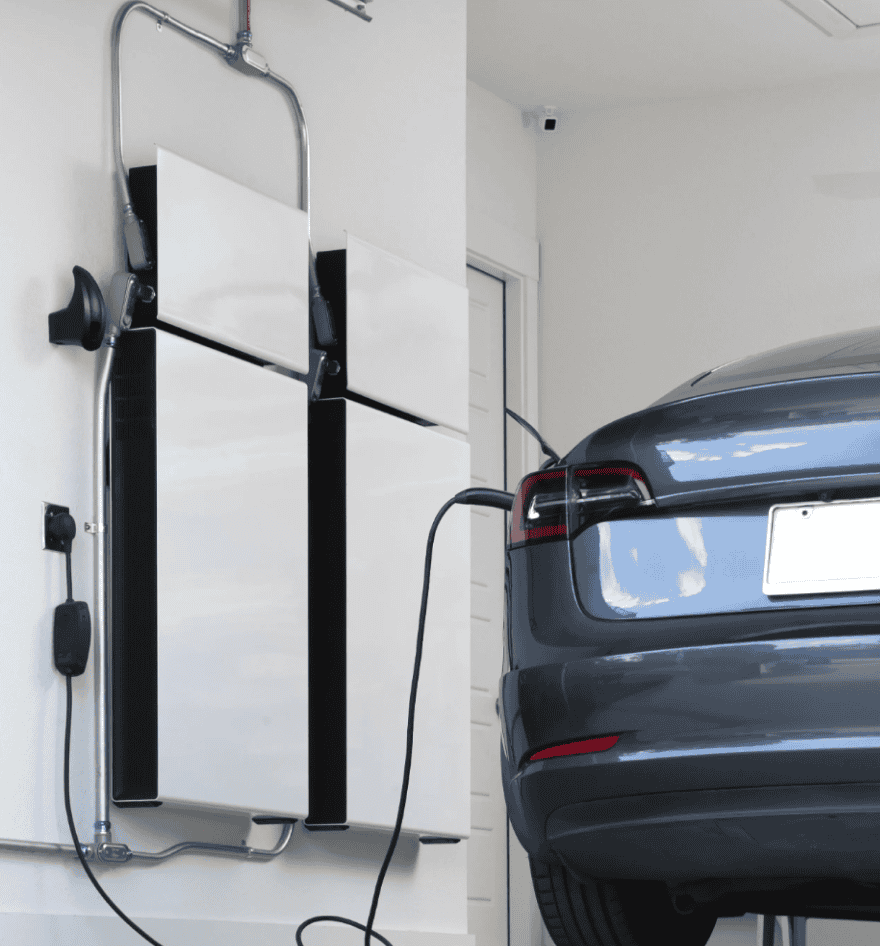
Selling Storage: The 2026 Pocket Guide
Introduction
2026 is shaping up to be a big year for storage. According to Ohm Analytics nearly every new installation in California and Puerto Rico, and almost half of other U.S. installs, will have a battery attached. These numbers are surpassing initial estimates and should continue to climb thanks to recent policy changes. The solar industry is turning into the storage + solar industry before our eyes. Let’s make sure you’re ready to meet this demand.
In this updated guide, you’ll learn:
- Positioning: How to position your company based on your market
- Sales process: How to model and explain storage
- Driving demand: How to sell battery add-ons to customers with existing systems
Positioning
We’ve been talking to A LOT of potential storage + solar teams. Here’s the two primary ways to talk about storage:
- Backup for peace-of-mind
- Electricity bill savings
That’s helpful, right? Now let’s take it one step further. How do you know which position is better for each customer?
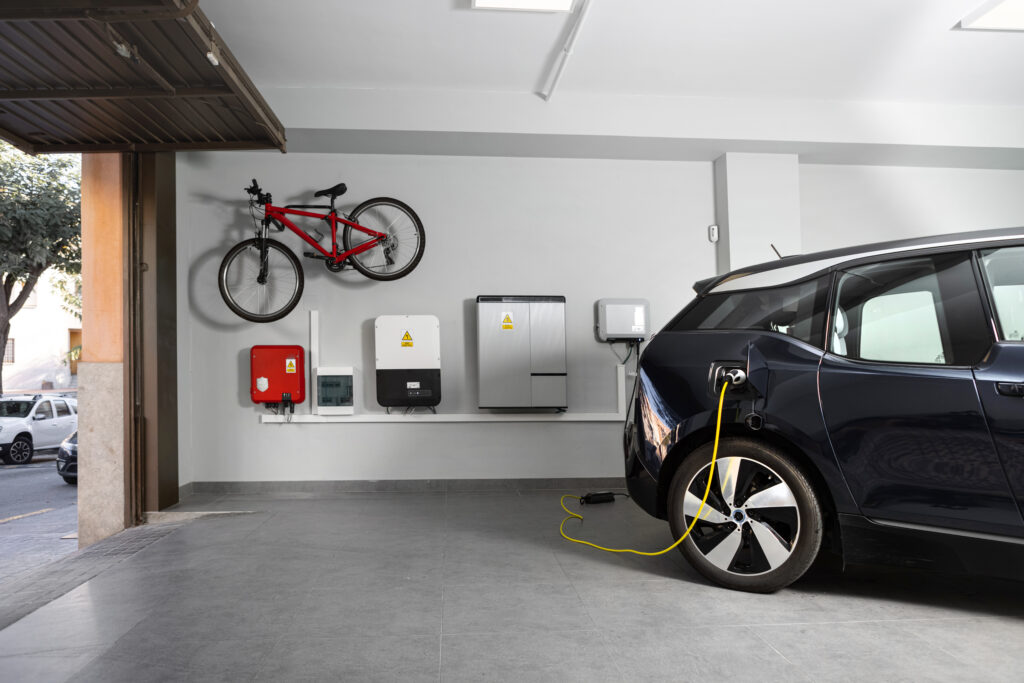
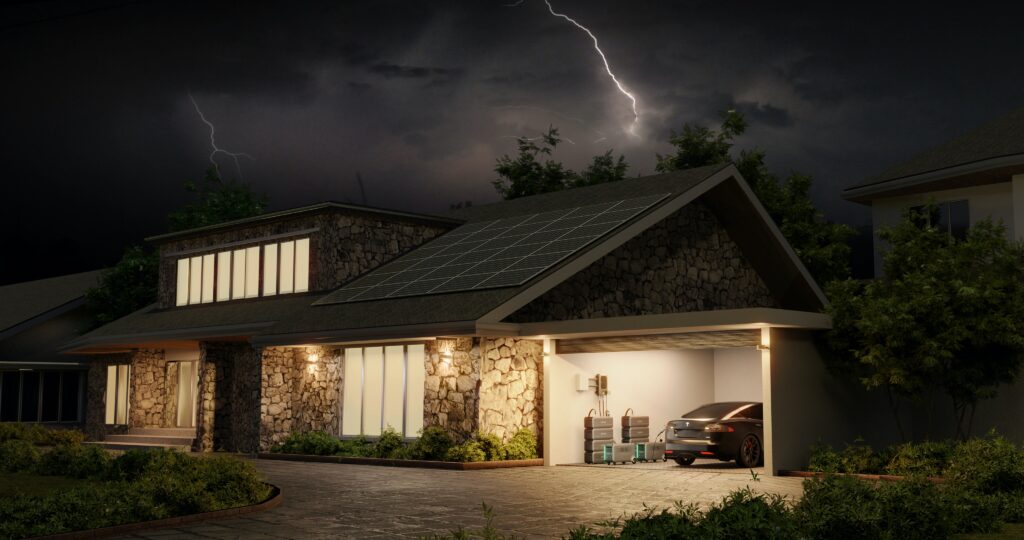
When to choose “backup for peace-of-mind”: Customers in areas without favorable time-of-use (TOU) rates are often more focused on backup power than bill savings. In these cases, a simple proposal showing how many hours of backup — and which devices are supported — can be the most effective pitch, particularly for customers with existing solar systems.
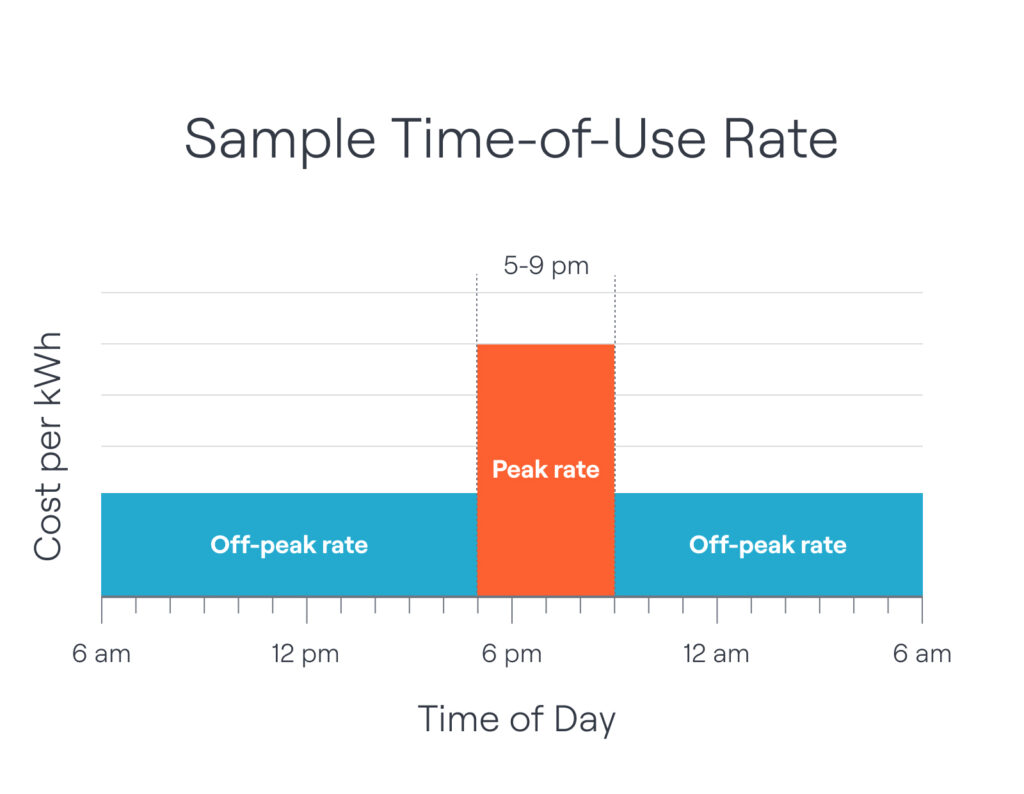
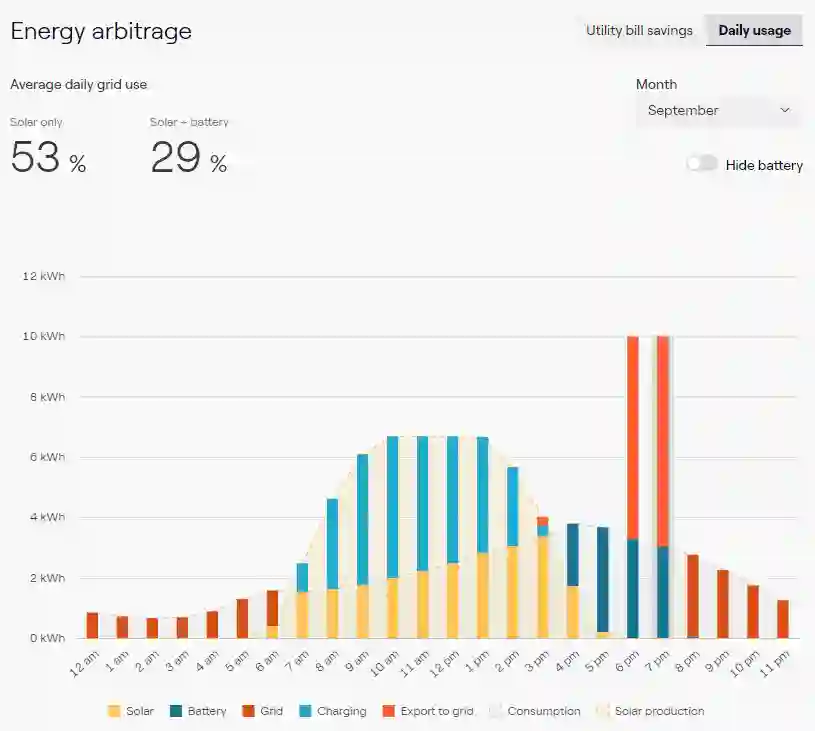
When to choose “electricity bill savings”: Customers with TOU rates can save a lot of money by using their battery strategically (i.e., energy arbitrage). This is where the battery charges during early off-peak hours and discharges during high-cost peak periods, optimizing for bill savings.
Sales Process
Homeowners want to do business with people they trust and the best way to build trust is to educate and guide them — a consultative approach.
Start by asking the homeowner a few questions before offering your advice. Getting them to share what they want and need will help you know what problems you can solve for them. Here’s a few discovery questions:
- What are you trying to accomplish with your solar system?
- What do you already know about storage + solar?
- Are you looking for peace-of-mind, bill savings, or both?
Once you have your answers, you’re ready to design and position a storage solution for them.
Expanding storage sales through your existing customer base
Your existing solar customers represent one of the strongest opportunities to grow storage revenue. These homeowners already understand the value of solar, trust your brand, and are increasingly facing new rate structures, export limitations, and reliability concerns that storage can solve.
By proactively re-engaging past customers with targeted messaging around backup power, bill protection, and changing utility policies, installation teams can shorten sales cycles, lower acquisition costs, and unlock incremental revenue — often by adding storage to systems that are already performing well.
How does storage impact PPAs?
- Increased value for solar energy by shifting production to higher-priced peak ours (TOU arbitrage).
- Reduces demand charges by discharging duringn peak demand peiords, creating savings solar alone can’t capture.
- Adds revenue opportunities through incentives, demand response, and grid programs (market-dependent)
- Raises project cost, which often results in higher PPA rate or a separate storage chart, BUT with greater total savings.

Quick Knowledge Check
Let’s take a second to check in on some terminology. While you probably already know these terms, it’s important to make sure that your customers do, too.
- Time-of-use (TOU) rates: Utility pricing that varies by time of day, with higher rates during peak demand hours (often evenings) and lower rates off-peak.
- Export rates: The amount a utility pays homeowners for excess solar sent to the grid, which may vary by time, season, and other factors.
- Backup power: A battery held at full charge to supply the home during grid outages or emergencies.
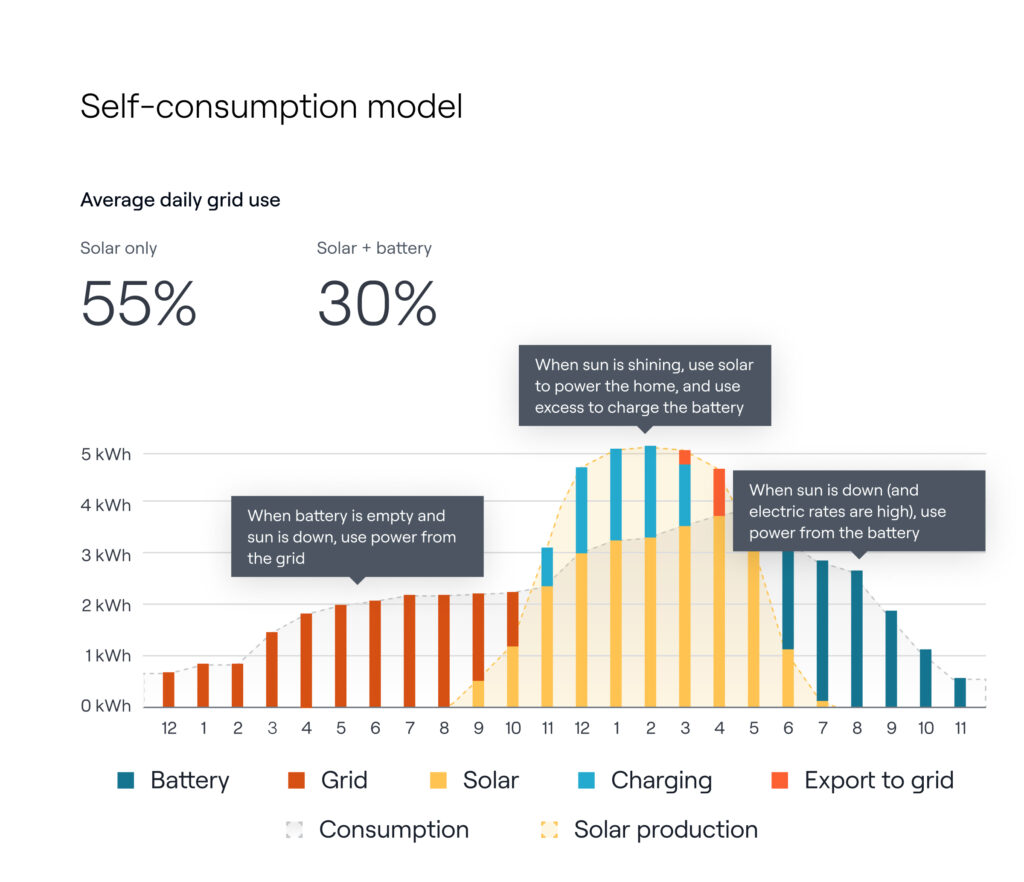
- Self-consumption: A battery mode where the home uses stored solar energy and recharges the battery with excess solar production.
- Energy arbitrage: Storing energy when it’s cheaper and using it — or exporting it to the grid — when rates are higher to increase solar value.
- Whole home electrification: Upgrading a home with electric technologies — like heat pumps, batteries, and appliances.
- Battery add-ons: An installation project where a new battery is being installed to an already existing solar system.
Designing & Proposing a Solution
There are a few ways to design storage in Aurora:
- Whole home or partial backup
- Energy arbitrage (with or without backup)
- Self-consumption (with or without backup)
Now, let’s design and sell our storage based on the two main groups of customers.
For the “peace-of-mind” customer
Model a whole home and partial home backup option. Discuss with them the costs and benefits of each option.
Whole home or partial backup modeling should include:
- Critical appliances in case of an outage
- Number of days customer needs backup
- The customer’s budget
For the “electricity bill saver”
The decision between self-consumption and energy arbitrage depends on how the homeowner’s rates are structured.
Self-consumption is favorable when:
- Export compensation is low
- Peak TOU prices aren’t high enough
- There are penalties for exporting during certain hours
Energy arbitrage is favorable when:
- There’s a large spread between off-peak and peak rates
- Grid charging is allowed and economical
- Peak pricing is predictable and lasts long enough to capture meaningful savings.
But what if they also want backup?
That’s not a problem. Customers don’t always fit neatly into a single category. Homeowners who want both savings and peace of mind can achieve both, regardless of the operating mode they choose. Use Aurora’s partial backup option to show how different levels of backup affect system performance, cost, and resilience. This helps customers find the right balance for their needs.
Key takeaways
- If TOU rates mainly punish exports and reward avoided consumption, self-consumption is usually the higher-value strategy.
- If TOU rates create a large, predictable price gap, energy arbitrage can be the way to go.
Still not sure? Model both scenarios in Aurora to determine which operating mode provides the most savings for the customer.
But wait — one more question: What about adding batteries to existing systems?
Great question, and this is becoming increasingly popular. The same principles apply, and you can easily model adding storage to any existing system in Aurora — even if the original system wasn’t designed there.
- The state region is based on U.S. Census Regions.
- Project size looks up the median size of projects designed in Aurora and HelioScope. Since each project may contain multiple designs, only the most recent design is used.
- Project pricing looks up the median price per watt (cash price) of projects quoted in Aurora and HelioScope. Excludes outliers.
In closing…
Storage isn’t a one-size-fits-all solution. As you discuss storage with a customer, you’re qualifying whether it truly fits their goals—whether that’s savings, backup, or both. How you sell storage matters just as much as if you sell it.
The most effective storage conversations follow three simple principles:
1. Take a consultative approach
Storage can mean a lot of different things to a lot of different people. Rather than jumping in with solutions, first take some time to ask questions so you know how to best position your offering.
2. Handle objections by sharing helpful knowledge
A big part of selling solar plus storage is educating the customer on why certain options can and can’t work. After you’ve listened to their concerns, share some of your industry knowledge to provide guidance.
3. Keep it simple—model multiple options when needed.
If a customer aligns clearly with a single persona, present a straightforward recommendation. If they fall somewhere in between, model multiple scenarios to highlight tradeoffs and help them confidently choose the right solution.
When done well, storage becomes less about selling a battery and more about delivering the right outcome for each homeowner.