9 Solar Truths Most Homeowners Learn Too Late
Most homeowners wish they’d known these 9 things before going solar — from roof requirements and tax credits to contracts and choosing the right installer. Get the answers before you decide.
Updated in July 2026 to reflect the latest tax credit information.
We know solar can seem confusing. But it doesn’t have to be that way. The purpose of this guide is to help you cut through the complexity so that you can move forward with confidence. When you choose solar, it’s not just good for your home — it’s a step toward a cleaner, smarter future for us all. We’re here to make sure that step is as simple as it should be.
It’s only natural to have questions. It shows you’re serious about understanding your energy future. And with solar, there are some common — and very important — questions that many homeowners have. We’re here to give you informed answers.
We’re not just guessing, either. We conducted research with more than 1,000 homeowners and 900 solar professionals to make sure we’re getting the information you need. (You can see the data in the full report here.)
In this guide:
- Will I save enough money?
- I’m not sure my roof is right for solar
- I think solar panels will look bad on my roof
- I’m planning on selling my home
- Is solar really worth the cost?
- I’m not sure I’ll qualify for solar
- Didn’t the solar tax credits expire?
- Solar contracts are complicated – how do I protect myself?
- How do I know I’m choosing the right installer?
- FAQ
Concern 1: Will I save enough money?
One of the biggest reasons homeowners go solar is to save money. And for many, those savings are significant. We’ll look at some of the factors that affect your savings in the following sections. However, a general rule of thumb is that if your roof is in good shape and you get plenty of sunlight, there’s a great chance you’ll see lower monthly electricity bills with solar.
But, be wary if you’re promised certain savings before your unique situation is assessed by a professional. Savings vary because everyone’s energy and solar needs are different. Factors like location, system size, battery storage, and energy use all affect the potential savings for your solar system. There’s also net-metering policies — basically how your utility compensates you for the electricity you sell back to the grid — and other considerations.
It’s important to remember, though, that whether your savings is 10% or 30%, it adds up over time — and the cost of electricity from your utility increases over that same time.
But savings aren’t the only reason solar is a smart investment. Even if the financial benefits may not be dramatic in your specific case, solar offers other valuable returns:
Increased Home Value
Research has shown that homes with solar can sell faster and for more than comparable homes without it. While some of this research is dated, this study from the Berkeley Lab showed “clear evidence that solar systems are correlated with higher selling prices if those systems are owned by the homeowner.”
Environmental Benefits
A lot of the electricity we consume today is still produced by burning fossil fuels. Replacing this with solar can reduce your carbon footprint considerably.
Energy Resilience
With solar plus battery storage, you’re less dependent on an aging, vulnerable grid. During blackouts, a battery can keep your essentials running and provide peace of mind and security.
What a good installer will do for you
A trustworthy installer won’t just focus on panels and prices. They’ll provide a clear breakdown of:
- your potential monthly savings
- how different financing options impact those savings
- your carbon footprint reduction
- how long your solar + storage system can power your home during outages
Solar is a long-term investment — not just in your home, but in a more independent and dependable future. Be sure a solar installer addresses all the potential benefits.
Concern 2: I’m not sure my roof is right for solar
When people wonder if their roof is a good fit for solar, it usually comes down to two things: the condition of the roof and how much sunlight it gets. Let’s look more closely at each one.
Roof Condition
- Is your roof relatively new, or is it nearing the end of its lifespan?
- Is there any damage on your roof?
- Does your roof have a lot of small, complicated surfaces?
- Is your roof flat or pitched?
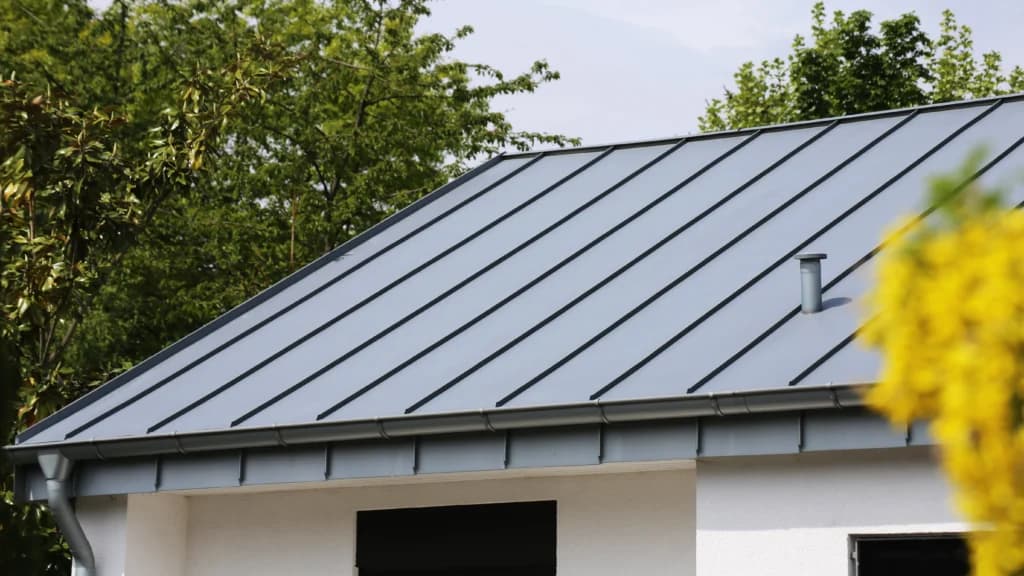
- What type of roof do you have (metal, tile, shingles)?
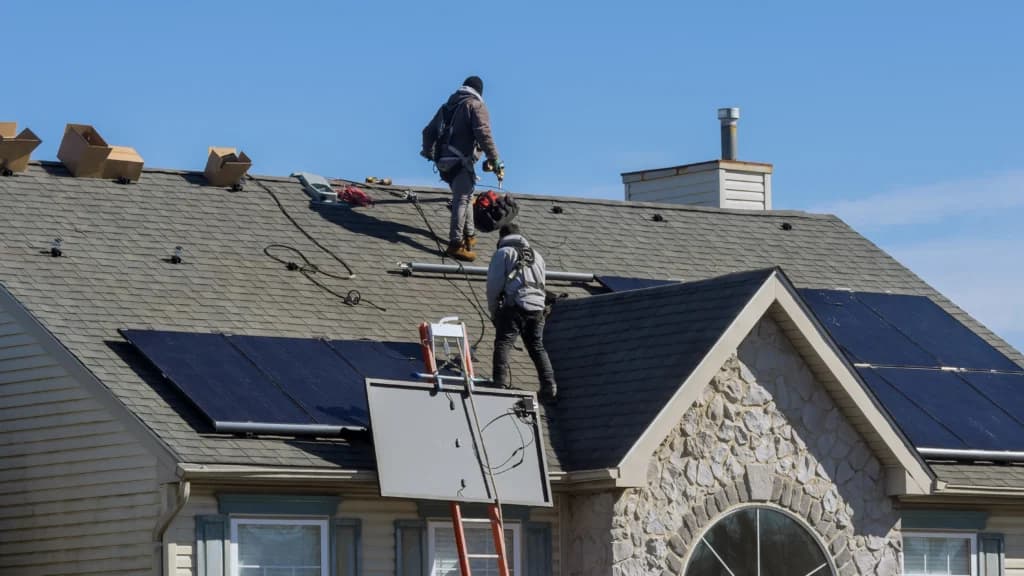
To protect your investment in solar, many installers require that your roof is in good condition before installing panels. If your roof is in poor condition, repairing or replacing it in tandem with a solar install can be a great option. Sharing your roof type can also help generate more accurate installation quotes.
Sun Exposure
- Are there trees shading your roof?
- Nearby buildings or obstructions?
- Which direction do your largest roof sections face? (South-facing roofs tend to get the most sunlight.)
Generally knowing your sun exposure and having an awareness about obstructions can help set your expectations prior to receiving an estimate. But you don’t need to do any difficult calculations — leave that to the installer.
What a good installer will do for you
Many installers have partnerships with roofers, or even do roofs themselves. If you know your roof’s age, they can check the condition and make their best recommendation.
A good installer will have access to accurate LIDAR and azimuth (the positioning of your roof face) data that can show you how much sun your roof gets throughout the year. Using software specifically designed for solar projects, they should even be able to accurately estimate how much solar energy different panels in different places on your roof will produce.
Concern 3: I think solar panels will look bad on my roof
You don’t want your roof to look like a blueish iridescent otherworldly space ship? Don’t worry, those days of solar are long gone. Thankfully, solar panels have come a long way since they started becoming popular in the 1970s.
Solar panels now have a range of different looks, including sleek black options that blend in with your roof and even integrated solar shingle options. Depending on what you want for your house, there’s probably an option that will look great.
What a good installer will do for you
Installers have many panel and racking options for you to choose from. Let them know what’s important to you, and what you want your solar system to look like, and they will help you select what’s right for you and your home.
Concern 4: I’m planning on selling my home
If you’re wondering whether going solar will make it harder to sell your home, or even decrease its value, you’re not alone. The good news? Research shows that solar can actually increase your home’s value.
Of course, how you finance your system matters. Buyers and appraisers often look at how much of your energy bill is being offset by solar and how the system is paid for. That can make a big difference in how your investment is viewed when it’s time to sell.
Understanding Your Financing Options
There’s no one-size-fits-all approach to paying for solar, and each option comes with its own pros and cons:
- Cash Purchase: The simplest option. You own the system outright, and it adds the most value to your home because there are no loans or agreements attached.
- Traditional Bank Loan: Similar to other home improvement loans. You make monthly payments, and the system belongs to you from day one.
- Home Equity Line of Credit (HELOC): Uses the equity in your home to fund your solar project. These often come with competitive rates but may require more paperwork.
- Third-Party Ownership (TPO): This includes leases and power purchase agreements (PPAs). With both leases and PPAs a third-party (like the solar company or a financier) owns the system. With a lease, you make payments to the owner, and then benefit from the system’s production. With a power-purchase agreement, you buy the electricity the panels on your roof produce at a discount from the system owner. TPOs can complicate resale because the new buyers may need to assume the pre-existing TPO agreement. Both of these options often have no or low upfront costs.
What a good installer will do for you
A good installer will clearly explain these options so you can choose what makes the most sense for you. They’ll be able to show the initial investment you’ll be responsible for, the monthly savings you’ll likely see, and your total payback, among other things.
When it comes time to sell, many homeowners partner with real estate professionals who understand how solar impacts home sales and can guide you through the process with confidence.
If you’re considering solar and want to feel confident in your installation, Aurora Solar can connect you with multiple vetted, experienced installers. It’s a simple way to explore your options, view upfront estimates on pricing and bill savings, and compare providers — all in one place.

Concern 5: Is solar really worth the cost?
This is one of the most common questions homeowners have. We’ve already talked about how solar can save you money on your monthly energy bills and different ways you can finance your system. But even with those savings, it’s natural to wonder about the upfront investment. Knowing if it’s worth the cost is more than a financial question, it’s a question that helps to reveal what’s important to you. Let’s consider the alternative.
What is the cost of doing nothing?
- What is the cost of staying fully dependent on an aging, increasingly vulnerable power grid?
- What is the cost of paying rising electricity rates year after year?
- What is the environmental cost of continuing to rely on energy sources that increase carbon emissions?
While there’s a great chance solar will save you money, solar isn’t just about dollars and cents — it’s about how you want to power your future. For many, a lot of the value lies in gaining control, protecting against rising costs, reducing their carbon footprint, and contributing to a more resilient energy system. The true value of solar depends on your priorities, your goals, and how you view energy in your life.
What a good installer will do for you
A good installer won’t just talk about panels and pricing. They’ll listen to what matters most to you. Whether that’s minimizing upfront costs, maximizing long-term savings, or reducing your environmental impact. They will also help you explore financing options that fit your needs.
If upfront cost is a concern, share that early. A reputable installer will tailor their recommendations specifically for you, so you can move forward with clarity and confidence.
Concern 6: I’m not sure I’ll qualify for solar
With today’s wide range of financing options, there’s probably a solution that fits your unique situation. From traditional loans to third-party ownership models, most homeowners can find a path forward.
That said, there are unique circumstances to keep in mind. For example, things like whether you live in a mobile or manufactured home, have poor credit history, or have non-traditional ownership of your property can impact your eligibility. This doesn’t necessarily mean solar is completely off the table, it might just require a bit more care in choosing the right option.
What a good installer will do for you
Experienced installers work with a variety of financing partners and have access to tools that help match homeowners to the solutions that fit them best. If you’re concerned about your eligibility, make sure to share your concerns upfront and ask for the full range of options.
A trustworthy installer will guide you through what’s possible and help you understand any extra steps that might apply. If any of the above factors are a part of your situation, don’t assume you will or won’t qualify until you talk to a trusted installer who’s committed to finding the best solution for you.
Concern 7: Didn’t the solar tax credits expire?
You may have heard that the federal solar tax credit (the Investment Tax Credit, or ITC) is gone. That’s partially true. The One Big Beautiful Bill Act (OBBBA) (again, we didn’t name it) ended the 30% tax credit for solar purchases at the end of 2025.
The good news is that there’s still a 30% credit available for companies that provide solar through third-party ownership (TPO), where the company owns the panels on your roof — like a lease or power purchase agreement. These companies have generally been using the credit to make leases and PPAs more affordable for homeowners, so they’re worth looking into. And with options like prepaid leases, you can own your panels after a relatively short (generally 6 years or so) lease period.
Here are some resources where you can learn more:
- What is a prepaid solar lease?
- What’s the difference between a PPA and a solar lease?
- Did the solar tax credit expire in 2026? Here’s what homeowners need to know
Beyond the federal incentive, there are also state and local programs that can make solar even more affordable for you. These vary by location, so it’s worth doing a preliminary search to see what’s available where you live if you want to get ahead of the game.
What a good installer will do for you
A great installer will help you navigate all of the incentives available to you. They should be experts in your state’s policies and know the local rebates and programs inside and out. Their job is to make sure you get every dollar of incentives available.
Concern 8: Solar contracts are complicated — how do I protect myself?
Solar contracts can be complex. Whether you purchased your system with cash or are entering a third-party ownership (TPO) agreement, the fine print matters. Some agreements include things like balloon payments, escalators, or long-term obligations that can catch you off guard if you don’t fully understand them upfront.
The most important advice? Take the time to read the contract carefully. Don’t just skim it. Make sure you’re clear on the terms, the costs, and how your agreement impacts your home long-term before you sign.
What a good installer will do for you
A trustworthy installer won’t rush you. In fact, they’ll encourage you to ask questions and ensure you understand every detail. If you ever feel pressured to sign before you’re ready, take that as a red flag. There are plenty of installers out there who will take the time to earn your trust, and your business, by putting transparency first.
Concern 9: How do I know I’m choosing the right installer?
For many homeowners, this is the biggest question of all. Choosing the right installer can make or break your solar experience. The key is knowing what to look for, and how to spot the difference between someone who’s there to help you succeed and someone just chasing a quick commission. Let’s start by looking at the red flags to be aware of.
A good installer will never:
- pressure you to sign a contract on the spot
- gloss over or hide important details in the contract
- make unrealistic promises about timelines
- avoid showing you a detailed design of your system
- ignore your future energy needs
- skip asking for your full electric bill history
- overpromise on savings without showing the math
- promise a particular amount of savings before assessing your energy usage and roof’s sun exposure
- push a single financing option without explanation
- place panels in obviously poor locations for sun exposure
- ignore or evade questions or rush you through the process
You don’t have to figure this out on your own. We’ve already vetted trusted, experienced installers for you. With Aurora Solar, it’s easy to explore your options, see upfront estimates on costs and savings, and compare providers — all in one place.
Now that you’re a pro at spotting the red flags, let’s take a look at the key things trusted installers do on a regular basis.
Signs you have a good installer
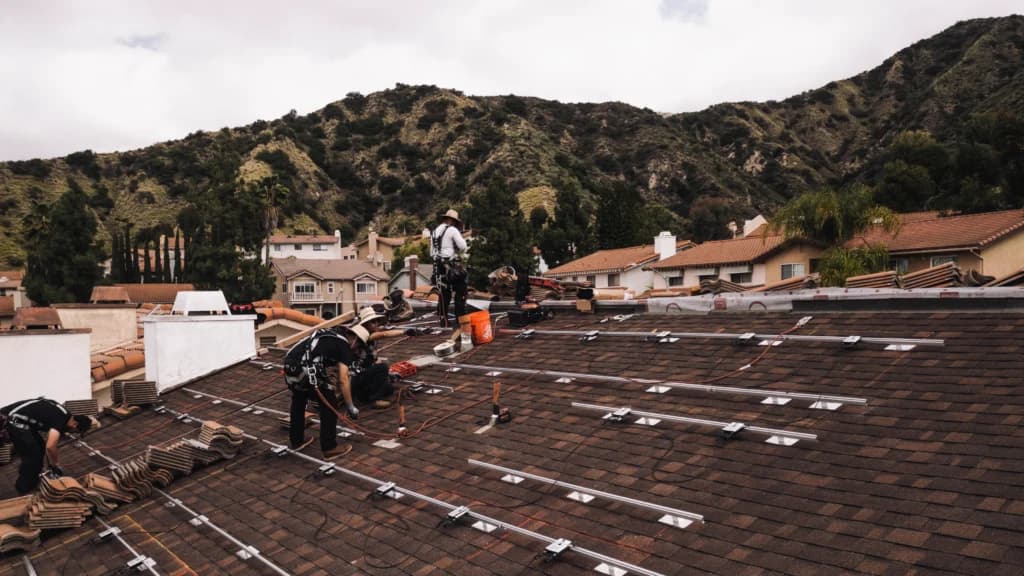
They collaborate with you. A good installer will factor in your preferences when it comes to the system design on your roof and will explain how panel placements in certain areas can optimize system performance. The installer should take the time to understand your home, your budget, and your long-term goals. They aren’t just looking at the present, they’re discussing how solar fits into your future.
They ask for your electric bills. Accurate solar design starts with accurate data. A reputable installer will ask for your utility bill history to ensure they’re building a system that truly meets your needs. While they can give an estimate based on one bill, more bills across the seasons will help them give you more accurate estimates.
They use trusted, accurate solar design software. Any good installer has software that lets them show you a detailed model of your system, on your actual roof. Look closely at the model they provide. Are panels carelessly placed over chimneys, obstructions, or shaded areas? Are they facing the right direction to optimize the sunlight your roof gets? A good installer gets these details right.
They consider future energy needs. Are you thinking about an electric vehicle, a heat pump, or other upgrades? A quality installer plans for tomorrow, not just today.
They explain all your financial options. Whether it’s cash, loans, HELOC, or third-party ownership, you deserve to understand the tradeoffs so you can make a confident choice.
They set realistic expectations. They’re clear and transparent about timelines. For example, the permitting process tends to be longer than most homeowners initially anticipate. A good installer will prepare you for each stage of the entire process so you’re not surprised.
They have positive, verified reviews. Look for consistent feedback from other homeowners. The right installer will have a track record of delivering on their promises. Every company will have some negative reviews, but are they overall positive? Seeing consistently good feedback from homeowners is a great way to assess trustworthiness.
A Clear Path Forward
The fact that you’re here, asking questions and seeking answers, means you’re already on the right track. Now you know what to look for, what questions to ask, and how to spot the signs of a trusted partner. Solar is a big decision, and there’s a lot involved. Approaching it with curiosity and care already puts you ahead.
Solar is not just a financial choice. It’s a statement about the future you want to help build. We’re with you every step of the way.
No gimmicks. No sales pitch. Just smart solar. Ready to see your options? Let’s get started.
Frequently Asked Questions
Q: How much does solar save on electricity bills?
Savings vary significantly depending on your location, roof, system size, and utility rates — so be cautious of any installer who promises a specific number before assessing your situation. That said, most homeowners with a well-sized system see meaningful reductions in their monthly electricity bills, and those savings grow over time as utility rates continue to rise.
Q: Does solar increase home value?
Research shows that owned solar systems are generally correlated with higher home sale prices. The key word is “owned” — systems purchased outright or through a loan tend to add the most value. Third-party ownership arrangements like leases and PPAs can complicate resale since the new buyer may need to assume the existing agreement.
Q: What roof types are compatible with solar panels?
Solar panels can be installed on most roof types including asphalt shingles, metal, tile, and flat roofs. The most important factors are roof condition and sun exposure — a roof nearing the end of its lifespan should be repaired or replaced before installation. South-facing roofs with minimal shading from trees or nearby buildings tend to produce the most energy.
Q: What is the federal solar tax credit?
The 30% federal Investment Tax Credit (ITC) for homeowners who purchase solar outright or via a loan ended at the close of 2025 under the One Big Beautiful Bill Act. However, a 30% credit is still available to companies that provide solar through third-party ownership (TPO) arrangements — like leases and power purchase agreements (PPAs). These companies have generally passed that benefit on to homeowners through more affordable lease and PPA pricing. Some options, like prepaid leases, even allow you to own your panels outright after a relatively short period — typically around six years. If you were previously focused on purchasing solar for the tax credit, it’s worth revisiting the TPO options with a fresh set of eyes.
Q: What’s the difference between a solar lease and a solar PPA?
With a solar lease, you make fixed monthly payments to use a solar system owned by a third party. With a power purchase agreement (PPA), you pay for the electricity the panels produce at a discounted rate rather than a flat fee. Both options typically have low or no upfront costs, but because the system is owned by a third party, they can complicate the sale of your home if a buyer doesn’t want to assume the agreement.
Q: How do I know if a solar installer is trustworthy?
A trustworthy installer will ask for your full electric bill history, show you a detailed design of your system on your actual roof, explain all financing options clearly, and never pressure you to sign on the spot. Red flags include unrealistic savings promises, pressure tactics, and vague or rushed contract explanations. Looking for consistent positive reviews from verified homeowners is also a reliable indicator.
Q: Do I need to do anything to my roof before installing solar?
Not necessarily, but your roof should be in good condition before panels go on. Most installers will assess your roof as part of the process — if repairs or replacement are needed, many have partnerships with roofers or can coordinate that work alongside the solar installation. It’s better to address roof issues upfront than to remove panels later for repairs.