Does your solar system need a main panel upgrade?
Before solar panels go on the roof — and before you make the decision to electrify other aspects of your home with things like an electric stove, heat pump, heat pump hot water heater, and EVs — it’s important to take a look at your house’s electrical panel. This panel controls how much electricity your home can safely distribute and powers everything from lights and appliances to major systems, like HVAC.
Many older electrical panels, also called breaker boxes, weren’t designed with modern demands in mind. Today’s households often need more capacity to support solar power and those electric vehicle chargers, heat pumps, and other high-draw appliances.
If your electrical panel is undersized or outdated, you may need an upgrade before your solar installation can move forward. In this guide, we’ll explain how the main electrical panel works, when and why upgrades are necessary, what costs to expect, and the benefits beyond solar — so you can plan with your solar project with confidence.
In this article
- Understanding the role of the main electrical panel
- When solar installations trigger panel upgrade requirements
- Signs you may need a main panel upgrade
- Comparing common main panel sizes and capacities
- Benefits of a main panel upgrade for solar homes
- Next steps for planning your main panel upgrade
- Frequently asked questions
Understanding the role of the main electrical panel
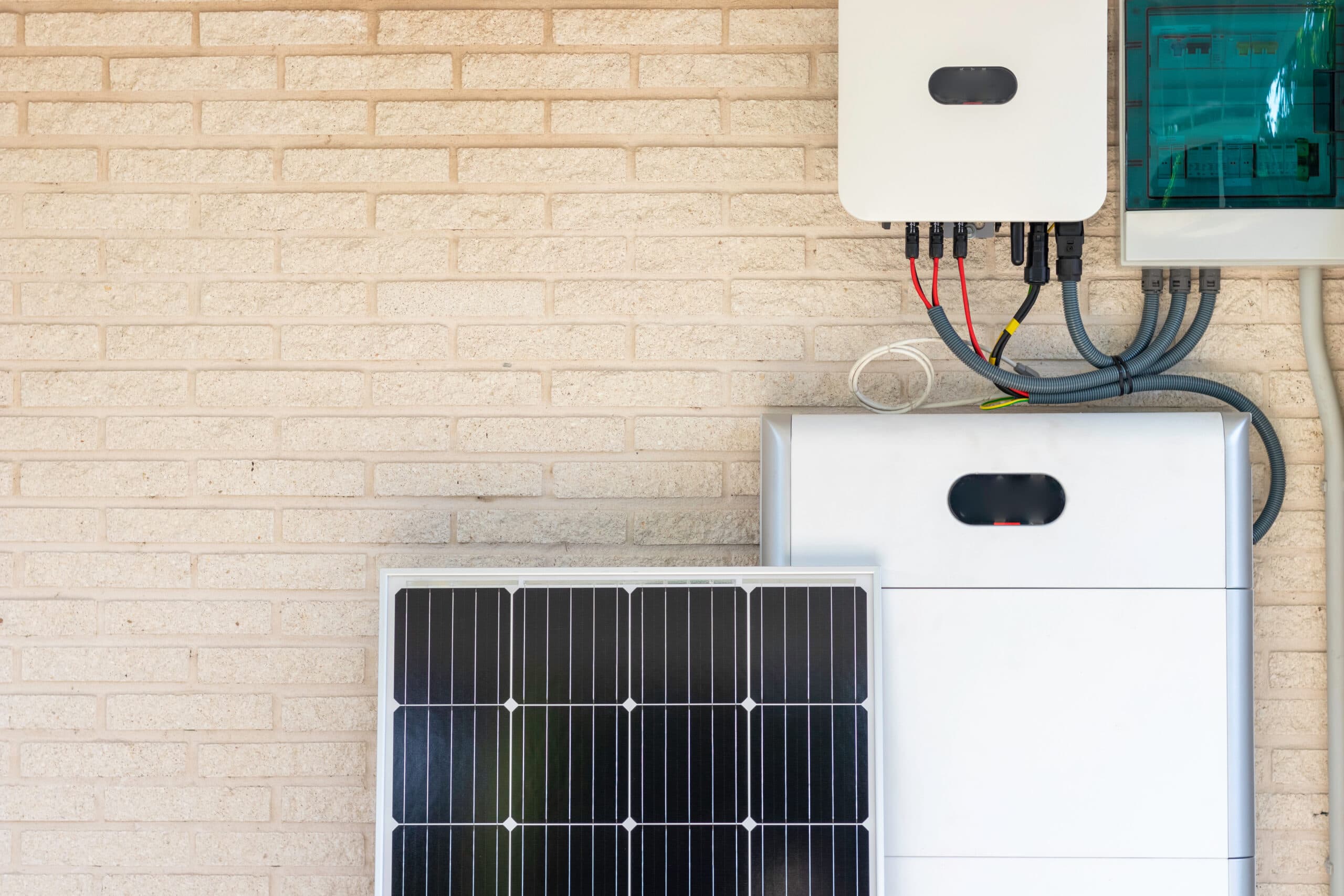
The main electrical panel in your home, or breaker box, is the control center for all incoming power. It distributes electricity from the utility and, once you add solar, from the inverter as well. The inverter converts the DC electricity generated by your panels into AC power, which flows through the panel to your power outlets and appliances. Because the breaker box manages all this traffic, if it’s undersized or outdated it can increase the risk of overheating or even electrical fires if it’s pushed beyond capacity.
Panel size is measured in amperage, or amps, which describes how much electricity can move through the system at once. A higher amp rating means more capacity, much like a wider pipe allows more water to flow. Many modern homes use 150- or 200-amp panels, while older properties may still rely on 60- or 100-amp service. A smaller panel can limit your ability to add new circuits for solar, EV chargers, or high-efficiency appliances, making an upgrade a key first step in many solar projects.
When solar installations trigger panel upgrade requirements
Not every solar project requires a new electrical panel. If your home already has a 200-amp panel with open breaker slots, there may be enough room to connect solar safely. But in many cases, upgrades become necessary once a solar installer calculates your home’s total electrical load.
Upgrades usually come into play for a few common reasons:
- Older, smaller panels. A 60- or 100-amp panel may have been fine decades ago, but today it often lacks space and can’t meet current code for solar.
- Bigger solar systems. The larger the array, the more strain it puts on the main panel. Sometimes the existing box just can’t handle the extra load.
- Adding batteries. Solar batteries are worth it for most people, but they require extra wiring and breakers, which can push an older panel past its safe limit.
- Future upgrades. If you’re planning to add an EV charger, a heat pump, or an induction range, your panel may need more room than it has now.
Electrical codes exist to keep homes safe by preventing overloads and lowering fire risk. If a panel can’t meet those standards, the installer will usually require an upgrade before solar can be connected.
| Why are electrical code limits important for solar? The 120% rule in the National Electrical Code helps explain it. It sets a cap on how much solar current can be back-fed into an electrical panel’s busbar — the strip inside the panel that carries power. In plain terms, you can only add up to 20% more solar current than the panel’s rating. On a 200-amp panel, that means about 40 amps of solar. This safeguard keeps the system from overheating and ensures it runs safely. |
When to upgrade your electrical panel
Upgrading your electrical panel during a solar project lets you avoid having to reopen walls or schedule another electrical job a few years later. A licensed solar installer can confirm whether your panel is ready or if an upgrade is the safer, more practical choice. If you’re expanding an existing solar setup, your installer may evaluate it as part of a broader category known as retrofit projects, which often include panel or storage upgrades.
How panel upgrades expand solar capacity
| Upgrade | Additional Solar Capacity (Approx.) | What That Means for You |
| 100 to 150 amps | +3–5 panels (≈1–2 kW) | Enough to cover a few extra appliances or offset a larger portion of your bill |
| 100 to 200 amps | +6–10 panels (≈2–4 kW) | Creates space for a full-sized solar array and battery connection |
| 150 to 200 amps | +3–5 panels (≈1–2 kW) | Provides flexibility for EV chargers or small storage systems |
| 200 to 225–400 amps | +10+ panels (≈4–6 kW or more) | Supports whole-home electrification: EVs, heat pumps, large solar plus storage |
Estimates are based on common solar panel ratings (350–450 watts each). Actual system design depends on roof space, local code, and installer calculations.
Signs you may need a main panel upgrade
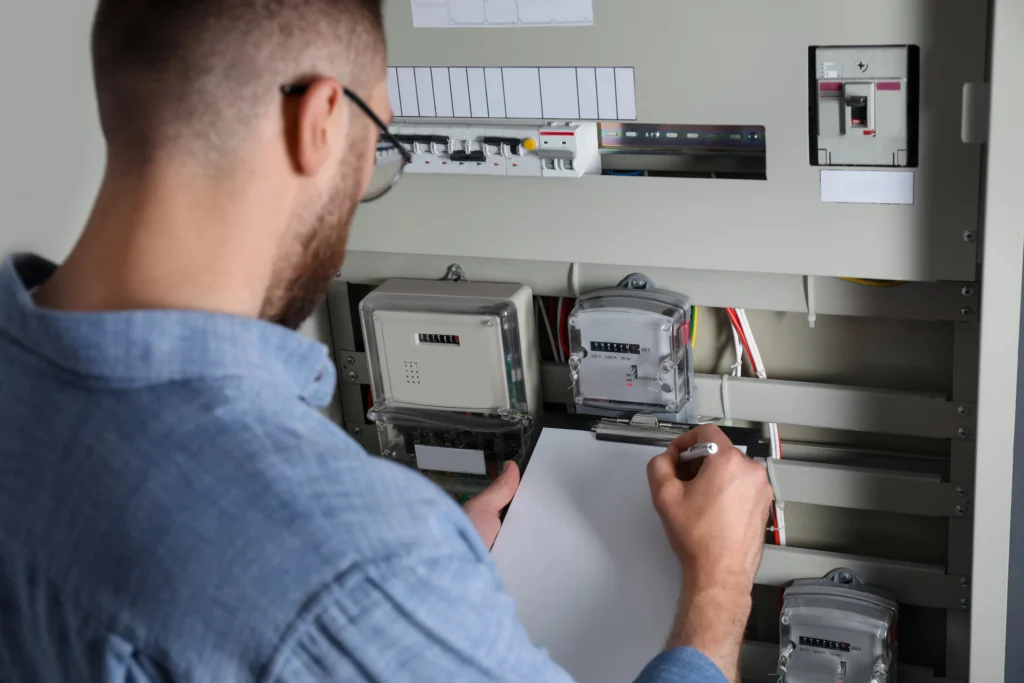
Most homeowners don’t spend much time thinking about their breaker box, but there are a few clear signs it may be reaching its limits. You don’t need to be an electrician to spot them — just a quick look or a few everyday frustrations can reveal when it’s time to check your panel.
Check out these early indicators that you might need a main panel upgrade, even before a professional inspection:
- Frequent tripped breakers. If circuits shut off when you run the microwave, dryer, or other appliances at the same time, your panel may be overloaded.
- Heat, noise, or rust. A panel that feels hot, makes buzzing sounds, or shows visible corrosion is a safety concern that should be inspected right away.
- No open slots. If every breaker space is filled, there’s nowhere to connect new equipment like solar or battery storage.
- Low amp rating. Main breakers labeled 60 or 100 amps usually mean the home has limited capacity compared to today’s needs.
If you notice any of these issues, an installer or licensed electrician can run a load calculation and confirm whether an upgrade is the right move before starting your solar project.
Comparing common main panel sizes and capacities
The size of your home’s service panel sets the ceiling on how much solar you can add. Electric codes set limits, including the 120% rule, that determine how much current a panel can safely handle. In practice, a 100-amp panel usually supports only a very small solar setup, while a 200-amp panel has the capacity to support a larger system and leave room for future add-ons like storage or electric vehicle charging.
Below is a simple comparison of how different main electrical panel sizes typically stack up when it comes to solar capacity and flexibility.
| Panel Size | Solar Breaker Allowed (NEC 120% Rule) | Approx. Solar Capacity* | Future Readiness |
| 100 amps | ~20 A breaker → ~16 A continuous | ~2.5 kW | Limited for most modern solar systems; rarely enough room for EVs or storage |
| 150 amps | ~30 A breaker → ~24 A continuous | ~5 kW | Can handle a modest array, but limited if you plan to add an EV charger or heat pump |
| 200 amps | ~40 A breaker → ~32 A continuous | ~8+ kW | Well-suited for medium to large solar systems and battery storage; strong foundation for electrification |
*Capacity is approximate, based on 240-volt service and NEC 120% rule calculations. Actual system size depends on panel wattage, inverter specs, and local utility requirements.
For an average home, a 200-amp panel offers the most flexibility for solar today and leaves room for electrification tomorrow. Smaller panels may work for limited systems, but are often a bottleneck when adding storage, EV charging, or additional circuits. The way solar panels are wired together also affects how much energy flows through the system. For a simple explainer, see our guide on solar panel wiring.
Benefits of a main panel upgrade for solar homes
Upgrading your electrical panel brings your home up to code and can make your home safer by lowering the risk of overheating or fire. A larger panel also gives you space for bigger solar systems, a backup battery, and other home electrification projects.
With more capacity, breakers are less likely to trip when several appliances run at once. And for many buyers, updated electrical service can turn your home into a smart asset.
Things to check before a main panel upgrade
Before you move forward with an upgrade or expand your solar system, take a look at your current setup:
- Solar ownership. If your solar system is leased or financed, check whether changes are allowed.
- Available space. Electricians typically need about 3 feet of clear wall space to install a new main panel. If your current box is tucked into a tight closet or hallway, relocation may be required.
- Equipment condition. Inverters and wiring typically last 10–15 years. If yours are nearing the end of their lifespan, it may make sense to replace them during the upgrade.
- Costs. National averages for panel upgrades vary greatly — with most sources estimating $2,500-$4,500 to upgrade to a 200-amp panel. Expect higher costs if trenching, relocation, or meter socket upgrades are required, and be sure to get a couple quotes before moving forward.
Potential challenges with a panel upgrade
Even with the long-term benefits, panel upgrades can come with a few hurdles to be aware of:
- Limited space. Smaller homes may not have an ideal space for a larger panel.
- Utility rules. Some utilities require new service conductors or meter sockets when panel size increases. These upgrades can add $500–$1,500 to the project.
- Permitting delays. Timelines vary by city. Some approve permits in days, while others may take weeks.
- Labor costs. Electrician rates usually fall between $50 and $120 per hour, and full upgrades can take one to two days. Larger or more complex projects will run higher.
These factors can increase both the time and budget, so plan early and get multiple quotes before upgrading.
Next steps for planning your main panel upgrade
Making sure your electrical panel is ready is one of the most important steps in a solar project. It protects your home, makes room for new technology, and sets the stage for future upgrades.
You can usually find the main breaker rating printed on the label inside the panel door. That number shows how much power your system can safely handle today. If you’re not sure how it lines up with your solar goals, an installer or licensed electrician can run a load calculation and recommend the safest path forward.
Using a trusted marketplace like Aurora Solar makes it simple to compare qualified installers who understand your region’s rules.
Frequently asked questions
Is upgrading your main electrical panel an easy DIY?
No. Main electrical panels are complex safety devices that should only be handled by a licensed electrician. Attempting a do-it-yourself upgrade risks serious injury, fire hazards, and code violations.
Is it worth upgrading my electrical panel before getting solar?
If your current panel can’t support the size of system you want — or you plan to add storage, EV charging, or other high-demand equipment — an upgrade is usually a smart investment. It ensures your solar system can operate safely and gives you flexibility for the future.
How do I know if my panel amperage is sufficient for solar?
Look inside the panel door for a label showing the main breaker rating — usually 60, 100, 150, or 200 amps — with 200 amps being the standard for modern homes. Compare that number to the size of the solar inverter your installer recommends. If the numbers don’t line up, or if you’re unsure, ask a licensed electrician or solar technician to verify whether your panel has enough capacity.
What is the typical cost range for a main panel upgrade?
National averages show most upgrades fall between about $2,500 and $4,500. The final price depends on factors like electrical panel size, local labor rates, permit fees, and whether your utility requires meter or service conductor changes.
Will upgrading the main panel require replacing my entire meter or service entrance?
Not in all cases. Utilities may require meter socket upgrades or new service conductors when you increase amperage. This varies by region and utility, so it’s best to confirm with both your installer and electrician before work begins.
How long does a main panel upgrade usually take?
The physical panel swap is often finished in a day or two. However, scheduling the work and getting permits approved can add several weeks, especially in busy seasons. Planning early helps avoid delays.
Can I add solar breakers without upgrading the main panel?
Sometimes. If your panel has unused slots and the service rating allows it, an installer may be able to add a solar breaker without a full upgrade. But if the panel is at or near its limit, forcing in more circuits can be unsafe. A licensed electrician can run a load calculation to determine what’s possible.