What is a kWh? kW vs. kWh — kilowatts and kilowatt-hours, explained simply
Understand your power consumption
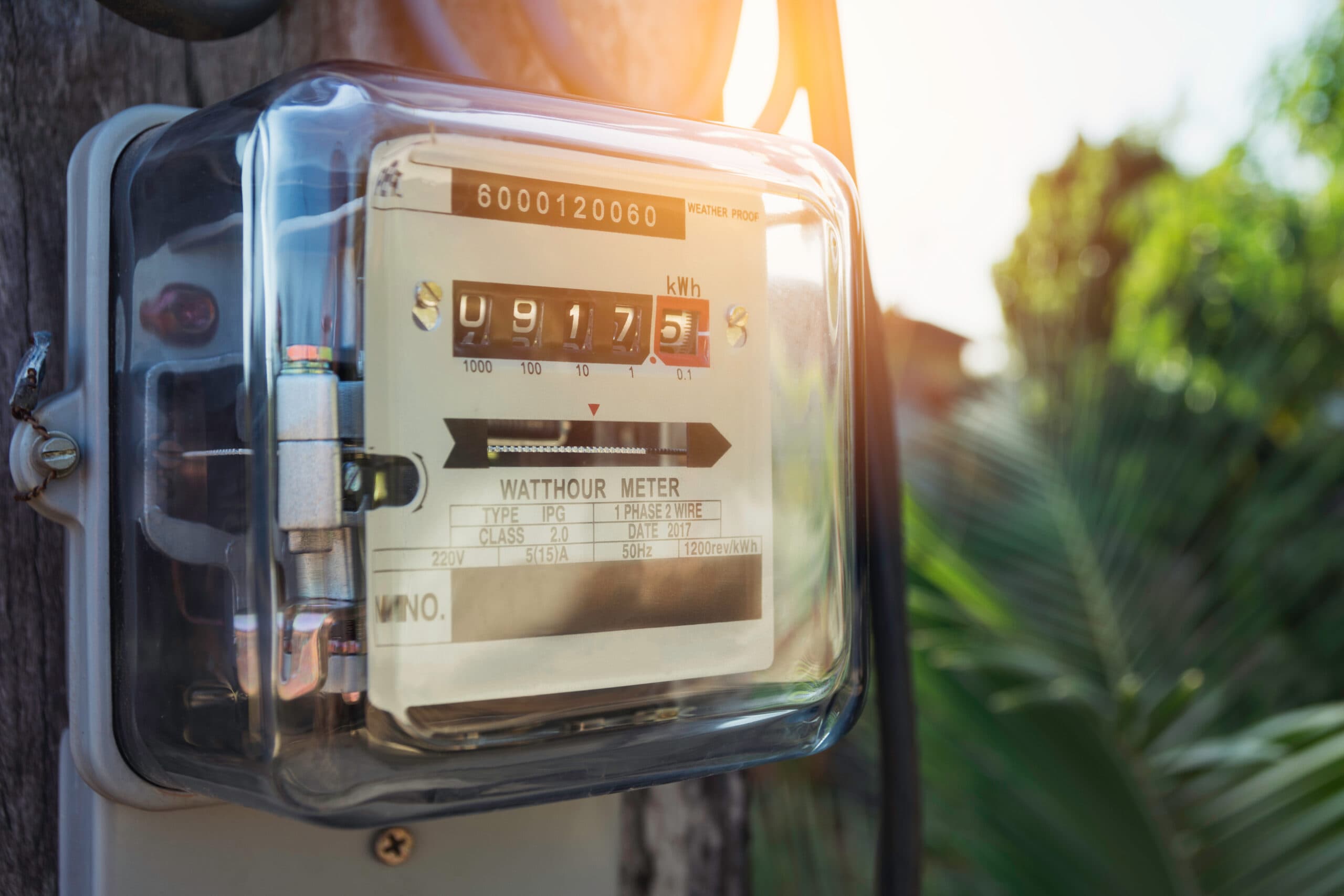
A kilowatt-hour (kWh) is the unit on your electric bill, it measures the total amount of electrical energy your home uses over time. A kilowatt (kW) measures the rate at which an appliance draws power at any given moment. The two work together: run a 1 kW device for one hour and you’ve used 1 kWh.
When you understand both, you can calculate your home’s actual energy costs, compare appliances by their real impact on your bill, and figure out exactly how much solar you’d need to cover your usage. This article covers what kW and kWh mean, how to calculate them, and how they factor into solar panels, batteries, and EV charging.
In this article:
- What is a kilowatt?
- What is a kilowatt-hour (kWh)?
- Key differences between kW and kWh
- Why are kW and kWh important?
- How to calculate kW and kWh
- Putting it all together: What kW and kWh can mean for your home
- Frequently asked questions
What is a kilowatt (kW)?
A kilowatt measures power — the rate at which something uses electricity. The kilowatt (which is 1,000 watts) is a straightforward way of measuring how much power an electric appliance uses. We tend to use kilowatts (kW) over watts (W) as a unit of energy because many household appliances demand high volumes of energy.

Common examples of kW
All appliances and electronics throughout your house use electricity to some degree. Each one needs varying amounts of watts to power on, depending on its size, age, features, and energy efficiency:
- LED light bulb: 7–20 watts
- Laptop: 50–120 watts
- LED/LCD television: 70–200 watts
- Refrigerator: 100–750 watts
- Coffee maker: 600 watts to 1.4 kilowatts
- Microwave: 600 watts to 1.5 kilowatts
- Dishwasher: 1.2–2.4 kilowatts
- Central air conditioning: 2–5 kilowatts
What is a kilowatt-hour (kWh)?
A kilowatt-hour (kWh) is the amount of electrical energy consumed when a 1-kilowatt device runs for one hour. It’s the unit your utility company uses to measure — and charge for — your electricity use. Think of kW as your car’s speed and kWh as the distance you’ve traveled: kW tells you how fast you’re using energy; kWh tells you how much you’ve used in total.
For example, if you run a 1,000-watt (1 kW) appliance for one hour, it consumes 1 kWh of energy. But a 2,000-watt (2 kW) appliance would consume 1 kWh of energy in just 30 minutes.
Everyday examples of kWh
Measuring your kilowatt-hour usage is more complicated than simply understanding the wattage of your appliance. Your home’s kilowatt-hour consumption factors in how many watts your appliance uses and how often you use that appliance. So when you see kWh on your monthly utility bill, that’s a measurement of your appliances’ wattage, as well as the amount of time you used them.
Some appliances run for multiple hours a day (like light bulbs, refrigerators, or air conditioning), while others are used for shorter bursts of time (like a coffee maker or microwave). Potential kWh usage could look like this:
- LED light bulb: 0.008–0.038 kWh per hour
- Laptop: 0.02–0.05 kWh per hour
- LED/LCD television: 0.07–0.14 kWh per hour
- Refrigerator: 28–63 kWh per month
- Coffee maker: 0.12–0.35 kWh per brew
- Microwave: 0.07–0.12 kWh per 5 minutes
- Dishwasher: 0.5 kWh per load with energy-saver cycle, 1–2.17 kWh per load on normal cycle
- Central air conditioning: 3 kWh per hour
Key differences between kW and kWh
Simply put, a kilowatt measures the rate of electricity consumed, while a kilowatt-hour reflects the total amount of electricity you use over time. Utility companies charge for the amount of energy you use in kWh.
Common kilowatt conversions
You can quickly convert watts to kilowatts, megawatts, and beyond by multiplying by a thousand. Homeowners use energy in kilowatts, while larger entities, such as states or countries converting to green energy, need to think in gigawatts.
Here are some common kilowatt conversions you may encounter:
| Power | Energy | ||
| 1,000 watts (W) | 1 kilowatt (kW) | 1,000 Wh | 1 kilowatt-hour (kWh) |
| 1,000 kW | 1 megawatt (MW) | 1,000 kWh | 1 megawatt-hour (MWh) |
| 1,000 MW | 1 gigawatt (GW) | 1,000 MWh |
| The formula: kW × hours = kWh |
| To convert kilowatts to kilowatt-hours, multiply by the number of hours the device runs: 1.5 kW dishwasher × 2 hours = 3 kWh 5 kW central AC × 4 hours = 20 kWh To find what that costs, multiply kWh by your electricity rate. At the U.S. national average of about $0.16/kWh, that dishwasher cycle costs around $0.48. That AC running all afternoon costs about $3.20. |
Why are kW and kWh important?
Understanding kilowatts and kilowatt-hours can help you manage your home’s energy consumption. If you look at the wattage of your various electrical appliances and how often you use them, you can determine how much energy you might use over time. Then, you can see how your energy usage impacts your monthly electric bill.
This can also help you identify areas where you can adjust your energy usage, replace old appliances with more energy-efficient ones that have lower wattage, or reduce your power draw from the grid by incorporating solar power.
What does kWh mean on your electricity bill?
Your electricity bill shows your total monthly kWh — not kilowatts. That’s because utilities charge for the total energy you consumed over the billing period, not the rate you consumed it at. If you used 900 kWh and your rate is $0.16/kWh, your energy charge before taxes and fees is $144.
The kWh number on your bill is also the most important input for sizing a solar system. A solar installer will ask for it before anything else — and with good reason. You’ll usually find it in the “electricity usage” or “energy summary” section of your bill, labeled “total kWh used.” If you can’t find it, your utility’s online portal usually shows 12 months of usage history, which is even more useful.
According to the U.S. Energy Information Administration, the average American household used 899 kWh per month in 2022. But usage varies significantly by home size, climate, and habits — yours could be half that or nearly double.
How much does 1 kWh of electricity cost?
The U.S. national average electricity rate is about $0.16 per kWh, but your actual rate depends on where you live and which utility serves your home. Hawaii homeowners pay over $0.35/kWh; Louisiana and Oklahoma often come in under $0.10/kWh.
To find your exact rate: take your total electricity charges (before taxes and fees) and divide by your total kWh for the month. That’s your effective rate per kWh.
Why does this matter for solar? Every kWh your solar panels generate is a kWh you don’t buy from the utility — at your local rate, not a national average. In high-rate states like California ($0.28/kWh average) or Connecticut ($0.25/kWh), solar savings accumulate faster. In lower-rate states, the payback period is longer, but the math still works for most homeowners.
Regional kWh usage table
| Region | Avg. monthly kWh | Notes |
| Northeast | ~595 kWh | Smaller homes, milder summers, higher electricity rates |
| Southeast | ~1,220 kWh | High AC demand — largest consumer region in the U.S. |
| Midwest | ~770 kWh | Moderate climate, mix of urban and rural housing |
| Mountain West | ~840 kWh | Varies widely; Nevada and Arizona run higher |
| Pacific | ~545 kWh | Mild coastal climate; California efficiency standards push usage down |
Source: U.S. Energy Information Administration (EIA)
Using kW and kWh for solar panels
If you’ve looked at your electricity bill, you’ve seen your monthly energy consumption in kilowatt-hours. This information will factor into how much power your solar panels need to keep your home running.
Solar panels are rated in kilowatts, but how much electricity does a solar panel produce?
Look at how many kWh you use monthly and divide that by the number of days, which will give you your average daily electrical energy usage. Then, divide your daily usage by how many hours of peak sunlight you get on an average day (typically, four or five hours is a good guess).
If your area gets about four peak sun hours per day, then 1 kW of solar panels would generate 4 kWh of energy in one day under ideal conditions. If you use 28 kWh of energy on a typical day, then a 7 kW solar panel system could meet your home’s needs. Peak sun hours vary by location and season, so this exact number depends on those conditions.
Keep in mind that companies often employ surge pricing, increasing electricity costs when demand goes up. That means you can expect to pay more for energy when usage is elevated. For example, energy prices usually rise in the summer when everyone runs their air conditioners.
| Now that you know how to size a solar system — find out what it costs for your home. |
| Aurora matches you with vetted installers in your area who’ll use your actual kWh usage to size your system correctly. No commitment. Takes about 2 minutes. |
| Get a free solar estimate → |
Using kW and kWh for solar batteries
Batteries store energy for later use, and they are rated in kilowatt-hours, just like your home’s energy consumption. While having coverage when the power goes out is still the main goal behind solar batteries, they also help you maximize your solar power system’s efficiency by storing energy generated during peak sunlight hours to use during cloudy days or at night. This self-consumption model is especially the case in areas with more sunlight a day (CA and HI for example).
If you have a solar battery with a capacity of 12 kWh, then it can store up to 12 kWh of energy. If your home uses 2 kWh of energy per hour, then a 12 kWh battery could provide solar power for your home for up to six hours with no additional solar input.
It’s important to note that the discharge rate of your battery plays a role in how much energy you can extract at any given time. With current technology, most batteries have a discharge rate of 2 kW, while high-end batteries get up to 5 kW. If your home uses more than 2 kWh of energy per hour, you should consider upgrading your battery.
| Thinking about solar batteries too? |
| Installers in Aurora’s network can size both your panels and your battery to your home’s actual kWh needs. 100% free, no commitment — side-by-side quotes from installers who know your area. |
| Compare solar + battery estimates → |
Understanding EV battery size (kWh) and charger speed (kW)
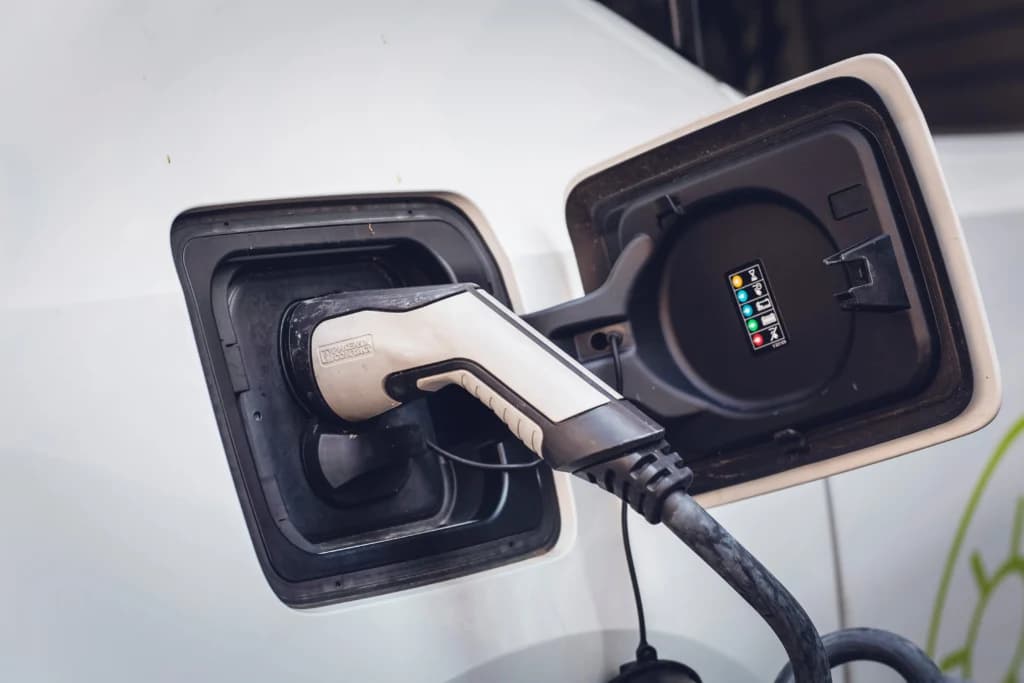
In an electric vehicle (EV), the battery is sized in kilowatt-hours. Different EVs all have different battery sizes and capacities.
For example, the Nissan Leaf uses a 40 kWh battery in the basic S model and a 60 kWh battery in the SV Plus model, while the Ford F-150 Lightning has a standard-range battery of 98 kWh and an extended-range battery of 131 kWh.
However, the power needed to charge up an EV is measured in kilowatts. Typically, the higher the kW of an EV charger, the quicker it can generally charge up an EV battery, but there is some nuance to this.
Level 1 EV charging through a standard 120-volt outlet at home would charge at speeds of 1–3 kW, and depending on the EV’s battery capacity, that rate might take days to fully charge up.
Level 2 chargers have speeds of around 7–19 kW and can charge most EVs in six to 12 hours, but the EV’s onboard charger will impact this speed. Onboard chargers usually range from 6.6–11 kW, which would limit the charging speed irrespective of the charging station’s power rating. The higher an EV’s onboard charger rating, the faster a Level 2 charger will “top up” the vehicle battery.
Level 3 chargers, also called DC fast chargers, circumvent the onboard charger and go directly to the battery. DC fast chargers have power ratings of 50–350 kW and can charge most electric cars from 10% to 80% in 30 minutes. But, the charging speed is still ultimately controlled by the EV’s max DC charging capability. If an EV has a max DC charging capacity of 200 kW, then the charging speed will be 200 kW — you’ll be able to put 100 kW of charge on the battery in one hour.
How to calculate kW and kWh
To calculate the amount of kilowatts an appliance uses, look at the label to see its wattage. Since 1 kilowatt equals 1,000 watts, you can easily see how many kilowatts an appliance uses by dividing that number by 1,000:
W ÷ 1,000 = kW
So, if we’re looking at a dishwasher with a power rating of 1,500 watts, how many kilowatts is that?
1,500 W ÷ 1,000 = 1.5 kW
Remember that kilowatt-hours measure energy used over time — you can easily calculate your kWh by multiplying kW by the time in hours that you’re using the device:
kW × hours = kWh
If a dishwasher has a power rating of 1.5 kW, how many kWh would it use over the course of a two-hour wash cycle?
1.5 kW × 2 hours = 3 kWh
Putting it all together: What kW and kWh can mean for your home
It’s easier to manage your home’s energy consumption and explore solar power options for your home when you clearly understand details like how kilowatts and kilowatt-hours factor into your daily life. Understanding your energy usage is the first step in determining the right size for your home’s solar power system.
Frequently asked questions (FAQ)
Q: What is the difference between kW and kWh?
A kilowatt (kW) measures power — the rate at which an appliance uses electricity at any given moment. A kilowatt-hour (kWh) measures energy — the total amount of electricity consumed over time. Think of it this way: kW is like your car’s speed, and kWh is the total distance traveled. A 1 kW appliance running for one hour uses 1 kWh of energy.
Q: How much kW is in a kWh?
There is 1 kW of power supplied in 1 kWh, though they are not the same type of measurement.
Q: How do I convert kWh to kW?
Because a kWh is a measurement of energy used over time, you can divide kWh by the time you’ve used a device to calculate the kW:
kWh ÷ hours used = kW
Q: How do I calculate kWh from kW?
To calculate kWh, multiply the power of your appliance in kilowatts (kW) by the number of hours you use it. For example, a 2 kW appliance running for 3 hours uses 6 kWh of energy. This is the same calculation your utility company uses to determine your monthly electricity bill.
Q: Is 1 kW a lot of electricity?
It depends. One kilowatt is enough to operate a major appliance. When it comes to solar panels, a 1 kW solar power system can produce 4–5 kWh of power per day, which is a modest amount for a home to use.
Q: How can I calculate the consumption of electrical appliances?
1. Get a rough estimate of the number of hours you use an appliance every day.
2. Look for the appliance label that lists its wattage.
3. Use this equation: wattage × hours used per day ÷ 1,000 = daily kWh consumption
Q: How many kW would a generator need to run a house?
To run just a few appliances, you could safely use a 10 kW generator. To keep your entire home running multiple energy-intensive appliances like HVAC, refrigerator, freezer, and water pump all at once, you may need a generator that’s 35 kW to 50 kW.
Q: What is the average household electricity consumption in kWh per month?
According to the U.S. Energy Information Administration, the average American household used an average of 899 kWh of electricity per month in 2022, the most recent year available. But, of course, there is no “average” house. The amount varies by home size, location, and habits, but as a general guide you can estimate your usage by looking at your monthly electricity bill, which will show your total kWh consumed. To get a daily figure, divide your monthly kWh by the number of days in the month. From there, you can calculate how large a solar panel system you’d need — for example, if you use 28 kWh per day, a 7 kW solar system could meet your home’s energy needs (assuming about four peak sun hours per day).
Q: Why does my electric bill show kWh and not kW?
Your electric bill shows kWh because utility companies charge for the total amount of energy you consume over time, not just the rate at which you use it. Kilowatts only measure the instantaneous power draw of your appliances — they don’t account for how long those appliances run. kWh captures both the wattage and the duration, which is what determines your actual cost.
Q: How do I convert kW to kWh?
Multiply kilowatts by the number of hours the device runs: kWh = kW × hours. A 2 kW appliance running for 3 hours uses 6 kWh. To go the other direction, divide kWh by hours: kW = kWh ÷ hours.
Q: What does kWh mean on my electricity bill?
kWh on your electricity bill is the total amount of electrical energy your home consumed during the billing period. Your utility multiplies that number by your rate — typically $0.10–$0.35 per kWh depending on where you live — to calculate your energy charge. You’ll usually find it labeled “total kWh used” or “electricity usage” on your bill.
Q: How much does 1 kWh of electricity cost?
The U.S. national average is about $0.16 per kWh, according to the U.S. Energy Information Administration. But rates vary widely by state — Hawaii averages over $0.35/kWh, while Louisiana and Oklahoma often come in under $0.10/kWh. To find your exact rate, divide your total electricity charges (before taxes) by your total monthly kWh.
Q: What is the difference between kWh and kW/h?
They mean the same thing. “kW/h” is a common informal shorthand for “kilowatt-hour,” though kWh is the technically correct abbreviation. You may see kW/h on older appliances, energy monitors, or international product documentation. Either way, it means kilowatt-hours.
Q: How many watts is a kilowatt?
One kilowatt equals exactly 1,000 watts. To convert: divide watts by 1,000 to get kilowatts (1,500 watts = 1.5 kW), or multiply kilowatts by 1,000 to get watts (3.5 kW = 3,500 watts).